
Understanding the Shifting Sands of Sustainability
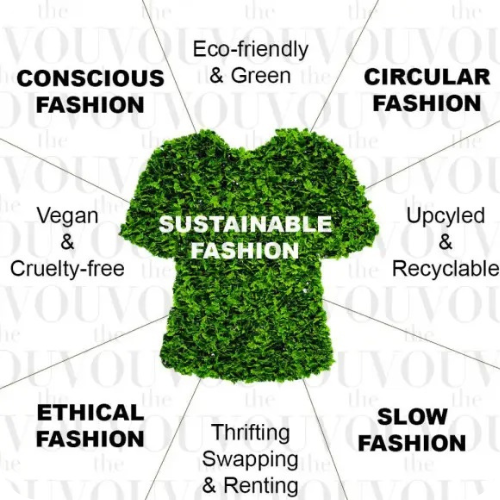
For years, “sustainable fashion” conjured images of hemp dresses and clunky sandals. While these options certainly have their place, the modern definition of sustainable style is far more nuanced and exciting. It’s no longer about sacrificing style for ethics; it’s about finding a beautiful balance between the two. This shift recognizes that true sustainability encompasses the entire lifecycle of a garment, from the sourcing of raw materials to its eventual disposal (or better yet, repurposing!).
The Importance of Conscious Consumption
The first step towards a more sustainable wardrobe is mindful shopping. Before making a purchase, ask yourself some key questions: Do I really need this item? Will it fit into my existing wardrobe? Is it made from sustainable materials? Is the brand transparent about its production practices? By slowing down the consumption process and making more thoughtful choices, you’ll naturally reduce textile waste and support brands committed to ethical production.
Exploring Sustainable Fabrics and Materials
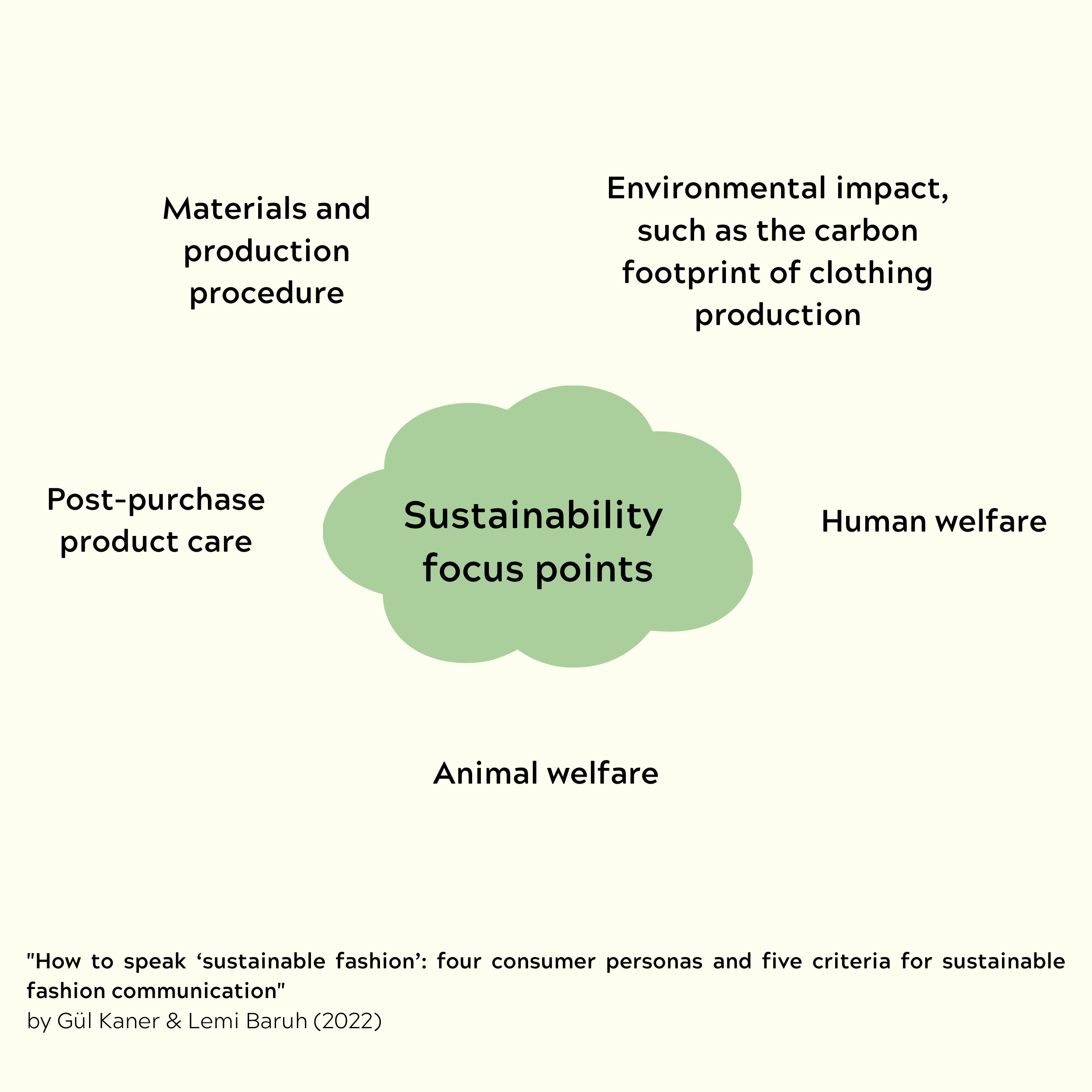
The textile industry is a significant contributor to environmental pollution. However, there’s a growing movement towards more eco-friendly fabrics. Organic cotton, for example, is grown without harmful pesticides, while Tencel (made from sustainably sourced wood pulp) is both soft and biodegradable. Recycled materials, like recycled polyester from plastic bottles, are gaining popularity as a way to give waste a new life. Learning about these materials and actively seeking them out when shopping makes a tangible difference.
The Power of Secondhand and Vintage Shopping
One of the most impactful ways to reduce your environmental footprint in fashion is to shop secondhand. Thrift stores, consignment shops, and online marketplaces offer a treasure trove of unique pieces at affordable prices. Vintage clothing, in particular, often boasts superior quality and timeless designs, offering a sustainable alternative to fast fashion’s fleeting trends. Giving pre-loved clothes a new home reduces the demand for new production, lessening the strain on resources and reducing waste.
Supporting Ethical and Transparent Brands
Researching the brands you buy from is crucial for truly sustainable style. Look for brands that are transparent about their supply chains, fair labor practices, and environmental impact. Many brands now proudly showcase certifications such as Fair Trade, GOTS (Global Organic Textile Standard), and B Corp, which provide assurance of their commitment to sustainability. Supporting these businesses encourages ethical production and helps shift the industry towards better practices.
The Art of Clothing Care and Repair
Extending the lifespan of your clothes is just as important as choosing sustainable options in the first place. Proper care, including washing clothes at lower temperatures, air-drying instead of using a machine, and repairing minor damages instead of discarding the garment, significantly contributes to sustainability. Learning basic mending techniques, like patching or darning, can breathe new life into worn-out clothing, reducing waste and saving money.
Rethinking Wardrobe Organization and Capsule Wardrobes
A streamlined wardrobe, often referred to as a capsule wardrobe, can make a big difference in your consumption habits. By focusing on versatile, high-quality pieces that can be mixed and matched, you can reduce the overall number of clothes you own and minimize impulse purchases. Careful organization can also help you appreciate what you already have, preventing you from buying duplicates or items you’ll rarely wear.
Embracing the Circular Economy in Fashion
The concept of a circular economy promotes recycling and repurposing instead of a linear “take-make-dispose” model. This means actively participating in clothing swaps, donating unwanted clothes to charity, or even upcycling old garments into something new. By participating in these practices, you’re helping to create a more sustainable and responsible fashion system.
Beyond the Clothes: Accessories and Footwear
Sustainable style extends beyond clothing to encompass accessories and footwear. Consider opting for ethically sourced jewelry, bags made from recycled materials, or shoes crafted from sustainable leather alternatives. The same principles of conscious consumption, mindful shopping, and supporting ethical brands apply to all aspects of your wardrobe.
The Ongoing Journey of Sustainable Style
Sustainable style is an ongoing journey, not a destination. It’s about continuously learning, adapting, and making informed choices. By embracing these practices, you can contribute to a more ethical and environmentally responsible fashion industry while enjoying a stylish and fulfilling wardrobe. Click here to learn about the definition of sustainable fashion.