
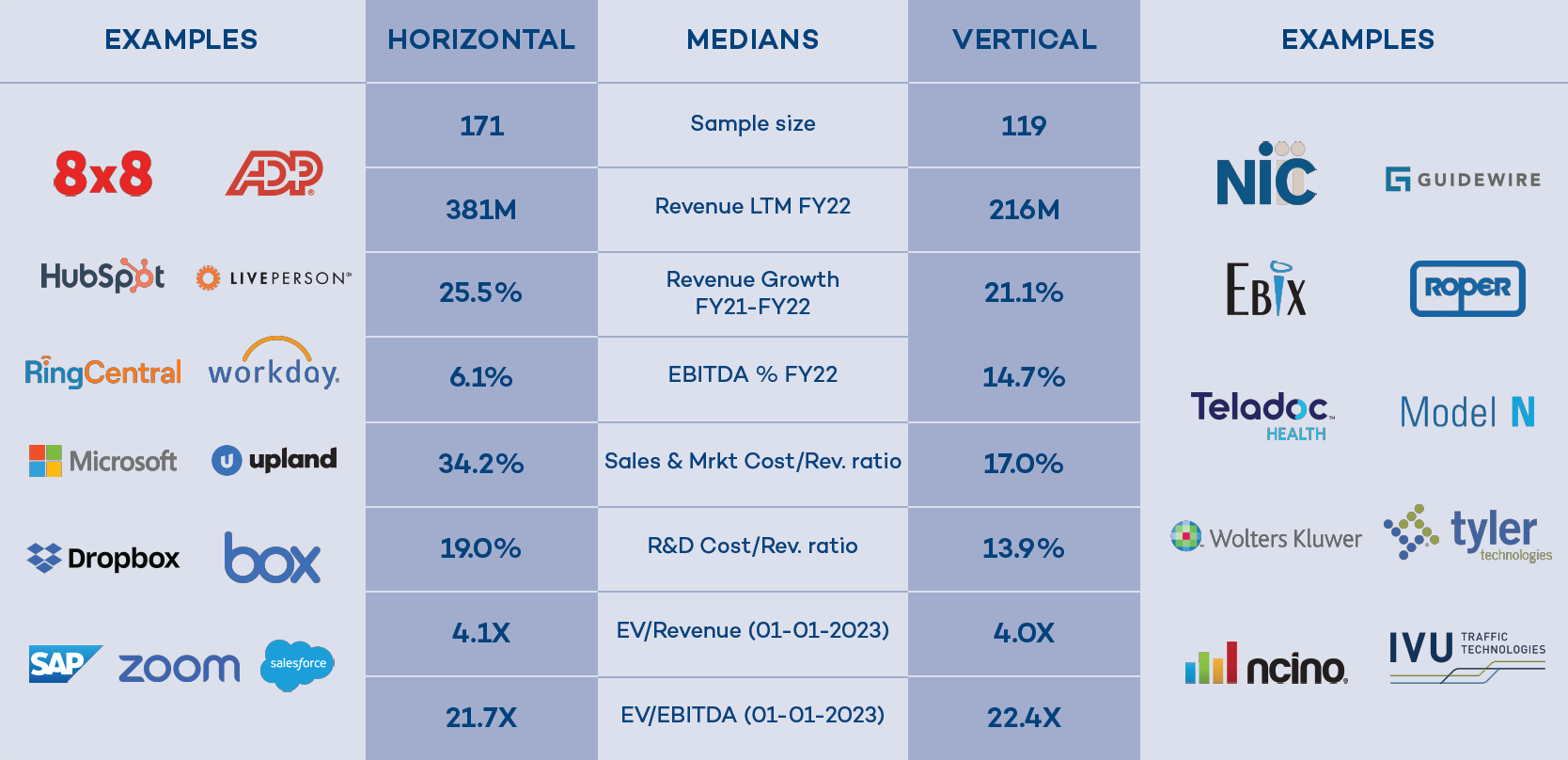
Understanding Vertical SaaS
Vertical SaaS, or Software as a Service, refers to software applications designed to serve the specific needs of a particular industry or niche. Unlike horizontal SaaS solutions which cater to a broad range of businesses (like CRM or project management tools), vertical SaaS products are deeply tailored to the unique workflows, regulations, and challenges of a single industry. This specialization allows for a much deeper integration into a company’s operations, offering features and functionalities that are directly relevant and highly efficient.
The Rise of Niche Specialization
The increasing sophistication of business needs has fueled the growth of vertical SaaS. Businesses are no longer satisfied with generic software solutions that require extensive customization or workarounds. They are seeking tailored tools that directly address their unique pain points, streamline processes, and ultimately boost productivity. This demand for specialized solutions has created a fertile ground for the expansion of the vertical SaaS market.

Advantages of Vertical SaaS for Businesses
Vertical SaaS offers several compelling advantages. First, it’s incredibly efficient. Because the software is built for a specific industry, it requires less training and onboarding, leading to faster adoption and quicker return on investment. Second, it often comes with pre-built integrations with other industry-specific tools, eliminating the need for complex and time-consuming custom integrations. Third, it’s highly relevant and intuitive, improving user experience and boosting employee satisfaction. Finally, many vertical SaaS providers offer deep industry expertise, offering valuable insights and support beyond just the software itself.
Examples of Successful Vertical SaaS Applications
Numerous successful examples demonstrate the power of vertical SaaS. Consider software for healthcare providers, which includes features for patient management, electronic health records, and billing, specifically designed to meet HIPAA compliance requirements. Similarly, construction management software often integrates project scheduling, resource allocation, and cost tracking tools tailored to the unique challenges of the construction industry. Even niche sectors like winemaking or aquaculture now have specialized SaaS solutions that manage inventory, track production, and analyze data specific to their operations.
The Challenges Faced by Vertical SaaS Providers
While the benefits are substantial, building and scaling a successful vertical SaaS business presents unique challenges. A key hurdle is achieving sufficient market size within a specific niche. Reaching a critical mass of users requires focused marketing and a deep understanding of the target industry’s needs and pain points. Another challenge lies in maintaining a high level of expertise within the chosen vertical. This often involves hiring industry specialists and continuously updating the software to keep pace with evolving industry regulations and best practices.
Future Trends in Vertical SaaS
The future of vertical SaaS looks bright. We’re likely to see further consolidation within certain niches, as larger players acquire smaller companies to expand their market share and service offerings. The integration of AI and machine learning is also likely to play a significant role, enabling more predictive analytics and automated workflows tailored to each specific industry. Moreover, we can anticipate increased demand for vertical SaaS solutions that facilitate interoperability and data sharing between different systems, fostering greater collaboration and efficiency across the entire industry ecosystem.
The Role of AI and Machine Learning
Artificial intelligence and machine learning are poised to revolutionize vertical SaaS. AI-powered features can automate repetitive tasks, provide predictive insights based on industry-specific data, and personalize the user experience to a far greater degree than ever before. For example, AI could help a construction company predict potential project delays based on historical data and weather patterns, or assist a healthcare provider in identifying patients at high risk of developing certain conditions.
The Importance of Data Security and Compliance
With the increasing reliance on SaaS solutions for sensitive data, security and compliance are paramount. Vertical SaaS providers must invest heavily in robust security measures and ensure their software meets all relevant industry regulations. This is especially crucial in highly regulated industries like healthcare, finance, and government, where data breaches can have severe consequences. Building trust and demonstrating a commitment to data security will be critical for attracting and retaining customers in the vertical SaaS market.
Vertical SaaS and the Future of Work
Vertical SaaS is reshaping the future of work by empowering businesses with tools precisely suited to their needs. It’s fostering a more efficient, productive, and ultimately more satisfying work environment. As businesses continue to prioritize specialized solutions, the vertical SaaS market will only continue to grow and evolve, creating opportunities for innovation and driving significant improvements in efficiency and productivity across a vast range of industries. Read more about what is a vertical SaaS company.
About the Author
