

The journey of a startup is often depicted as a race against time and limited resources. In this high-stakes environment, every decision carries significant weight, and the margin for error is incredibly slim. Many promising ventures falter not due to a lack of passion or a brilliant initial idea, but because they fail to adequately understand their market and potential customers before launching. This is precisely why new product research stands as an indispensable pillar for any startup aiming for sustainable growth and impact. It’s not merely an option for those with spare budgets; it’s a fundamental requirement that underpins every subsequent step in product development and market entry.
Overview
- New product research prevents startups from investing in ideas with no market demand, saving crucial time and capital.
- It provides deep insights into target customers, identifying their specific needs, pain points, and willingness to adopt new solutions.
- Thorough research significantly reduces the financial and operational risks associated with launching an unvalidated product.
- By understanding the competitive landscape, startups can strategically position their offerings and carve out a unique value proposition.
- Optimized resource allocation ensures that development efforts are focused on features and functionalities that genuinely resonate with the market.
- New product research fosters an agile development process, allowing for iteration and adaptation based on real-world feedback.
- It builds a strong foundation for future growth by aligning product development with evolving market trends and customer expectations.
Avoiding Costly Mistakes and Validating Ideas
One of the most common pitfalls for startups is the presumption of market need. An entrepreneur might have an innovative concept, but without rigorous validation, that concept remains an unproven hypothesis. Launching a product based solely on intuition or anecdotal evidence is akin to building a house without a blueprint – it’s almost certainly doomed to fail. New product research serves as the initial, critical phase where these hypotheses are tested against reality. It involves collecting data to confirm whether a genuine problem exists, whether the proposed solution effectively addresses that problem, and if a sufficient number of people are willing to pay for it. For startups operating in the competitive US market, where innovation cycles are rapid and consumer expectations are high, skipping this step can lead to significant financial losses and reputational damage. The capital and time spent developing a product that nobody wants are resources that can never be recovered, potentially leading to the premature demise of the venture.
How New Product Research Prevents Missteps
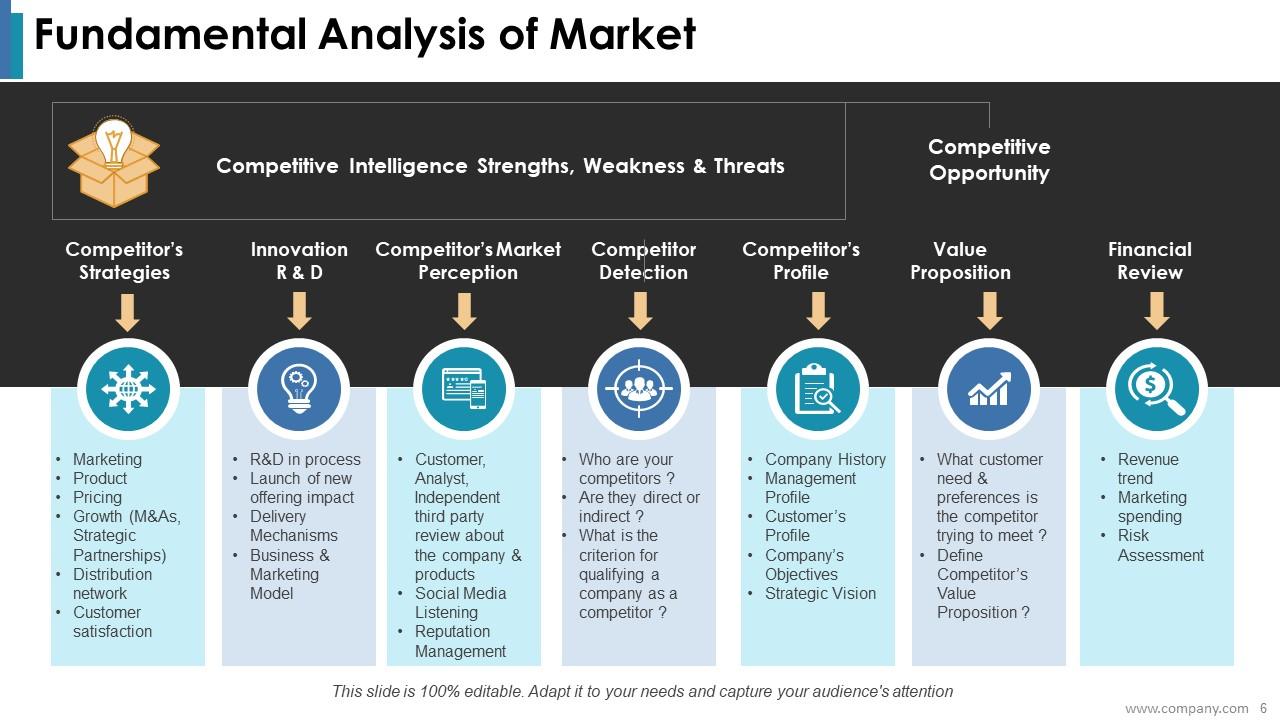
The early stages of a startup are characterized by limited funding and a pressing need to prove viability. New product research provides the evidence needed to make informed decisions before significant investment is committed to design, engineering, and marketing. It involves methods such as market sizing, competitor analysis, and customer interviews to understand the landscape. By identifying potential flaws in a product concept or market approach early on, startups can pivot, refine, or even abandon an idea before it becomes too expensive. This proactive approach not only safeguards precious capital but also conserves the energy and focus of the founding team, allowing them to channel their efforts into solutions that truly have a chance to succeed. This preventive measure is far more cost-effective than attempting to fix a poorly received product post-launch.
Understanding Your Market and Customers
Knowing who your customers are and what truly matters to them is paramount. Many startups make the mistake of developing a product they think people need, rather than what people actually need. New product research bridges this gap, offering deep insights into the target demographic. This isn’t just about age and income; it’s about understanding their daily challenges, their aspirations, their current solutions (and dissatisfactions with them), and their purchasing behaviors. For example, a tech startup in the US might believe a specific feature is revolutionary, but research could reveal that customers prioritize ease of use or integration with existing tools above all else. This understanding allows startups to tailor their product’s features, messaging, and pricing strategies to resonate directly with their intended audience, thereby maximizing the chances of adoption and loyalty.
The Role of New Product Research in Defining Target Audiences
Effective new product research goes beyond surface-level demographics to uncover psychographics and behavioral patterns. It helps segment the market into identifiable groups with distinct needs, allowing a startup to focus its efforts on the most promising segments. Through surveys, focus groups, and usability testing, startups can gather qualitative and quantitative data that paints a clear picture of who their ideal customer is. This precise definition enables the creation of a product that directly addresses specific pain points, rather than a generic solution hoping to appeal to everyone. Furthermore, understanding the language and values of the target audience allows for the creation of marketing messages that genuinely connect, building a foundation of trust and relevance even before the product officially launches.
Optimizing Resource Allocation and Gaining an Edge
Startups operate under strict budget constraints, making efficient resource allocation a critical success factor. Every dollar spent and every hour worked must contribute meaningfully to the product’s development and market entry. Without proper new product research, resources can be misdirected towards features that users don’t value, marketing channels that don’t reach the target audience, or a pricing model that deters potential customers. Research provides the data-driven clarity needed to prioritize development efforts, focusing on the minimum viable product (MVP) features that deliver the most value and resonate with early adopters. This strategic allocation of resources is crucial for extending runway and achieving milestones that attract further investment.
Leveraging New Product Research for Strategic Development
New product research is not just about avoiding failure; it’s about setting the stage for competitive advantage. By meticulously studying the market, including existing competitors and potential substitutes, a startup can identify gaps, unmet needs, and unique selling propositions. This allows for the development of a product that stands out, offering distinct benefits that competitors either overlook or cannot easily replicate. For instance, a small startup might not compete on price with a large corporation, but research could reveal a niche segment willing to pay a premium for personalized service or specific functionality. This strategic insight, born from rigorous new product research, enables a startup to position itself intelligently within the market, creating a defensible space and attracting its ideal customer base even amidst established players.
Building a Resilient and Future-Proof Business
The market is dynamic, constantly evolving with new technologies, shifting consumer preferences, and emerging competitors. For a startup, maintaining relevance is an ongoing challenge. While initial new product research is crucial for launch, continued research is vital for long-term survival and growth. This involves monitoring market trends, gathering user feedback post-launch, and keeping an eye on competitive movements. Such ongoing diligence allows startups to adapt their product roadmap, introduce new features, or even pivot their business model in response to changing conditions. This iterative process of research, development, and refinement builds resilience into the business model, ensuring that the product remains valuable and competitive over time.
Continuous New Product Research for Sustainable Growth
Sustainable growth for any startup, especially those aiming for longevity in the US or global markets, depends on its ability to evolve. New product research isn’t a one-time activity but an ongoing cycle that fuels innovation and adaptation. By continuously collecting and analyzing data on user behavior, market shifts, and technological advancements, startups can proactively identify opportunities for expansion and improvement. This might involve exploring new features, targeting additional customer segments, or even developing entirely new product lines. This commitment to continuous research ensures that the startup’s offerings remain fresh, relevant, and aligned with market demands, cementing its position and fostering long-term success rather than merely a fleeting moment of recognition.
About the Author
