
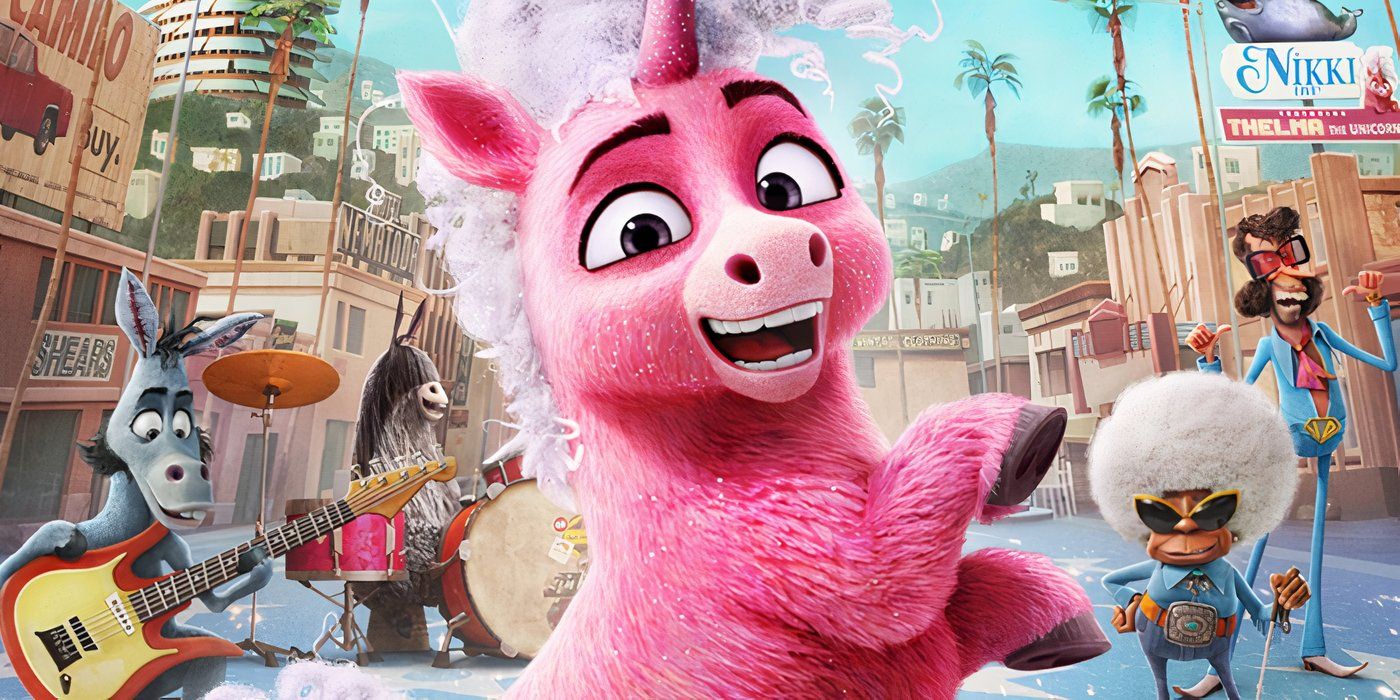
In the world of children’s books, stories that encourage self-belief and confidence hold a special place in the hearts of young readers.
Thelma the Unicorn by Aaron Blabey is one such enchanting tale that not only sparks imagination but also imparts valuable life lessons about embracing individuality and believing in yourself.
Through the vibrant and whimsical world of Thelma, a unicorn who wishes to be extraordinary, children learn that true happiness comes from accepting who they are, flaws and all.
In Australia, fostering self-esteem and confidence in children from an early age is a priority in educational and developmental practices.
According to The Australian Psychological Society (APS), emotional regulation, resilience, and self-worth are foundational elements of children’s mental health, helping to support their growth and well-being in all areas of life (source: Australian Psychological Society – www.psychology.org.au).
Books like Thelma the Unicorn are an excellent resource for nurturing these essential qualities in young children.
Through its charming narrative and colourful illustrations, the book encourages kids to reflect on their own unique qualities and builds confidence in their ability to embrace who they are.
In this article, we will explore Thelma the Unicorn and its powerful messages, the lessons it teaches young readers, and why this heartwarming book is an essential addition to any child’s library.
The Story Behind Thelma the Unicorn
Thelma the Unicorn tells the story of a regular horse named Thelma who dreams of becoming a unicorn. One day, after an unexpected series of events, she magically transforms into the very unicorn she has always wanted to be, complete with a shimmering horn and a sparkling mane. At first, Thelma is overjoyed by the attention she receives. However, as she begins to realise that being a unicorn isn’t as magical as she had imagined, she experiences a whirlwind of emotions. The fame, the glitter, and the adoration quickly lose their charm. Ultimately, Thelma learns an important lesson: being true to yourself and embracing your own uniqueness is far more important than seeking validation from others.
What makes this story so powerful is the way it speaks to children’s natural desire to fit in and be special, while simultaneously highlighting the value of self-acceptance. The book tackles the universal themes of self-image and the importance of not comparing oneself to others. The transformation from ordinary horse to extraordinary unicorn serves as a metaphor for how children sometimes feel pressured to become someone they are not in order to be admired or accepted.
The Key Themes of Thelma the Unicorn
- Self-Acceptance and Embracing Individuality
At its core, Thelma the Unicorn is a story about the importance of accepting yourself as you are. Thelma’s initial desire to be a unicorn reflects how many children often feel a longing to be something else—more beautiful, more special, or more unique. However, as Thelma quickly discovers, changing herself to meet the expectations of others does not bring the happiness she hoped for. This message is especially valuable for young readers, as it teaches them that they don’t need to be anyone other than themselves to be worthy of love and admiration. - The Dangers of Seeking External Validation
Thelma’s transformation into a unicorn brings her fame and attention, but it doesn’t bring her the happiness she expected. The book gently introduces children to the idea that seeking validation from others is not the key to feeling fulfilled. In today’s world, where children are increasingly exposed to social media and peer pressure, this lesson about internal validation is especially important. It teaches children that their self-worth doesn’t depend on the opinions or approval of others, a message that resonates well into adolescence and adulthood. - The Importance of Resilience
Thelma’s journey is one of self-discovery, and part of that journey involves facing disappointment. When Thelma realizes that being a unicorn doesn’t make her happy, she feels let down. Yet, she picks herself up and returns to her true self, accepting that her ordinary, non-magical self is just as valuable. This theme of resilience teaches children the importance of bouncing back from setbacks and learning from difficult experiences. - Celebrating Imperfections
In the end, Thelma learns that her true magic lies not in her appearance, but in her ability to be herself. The book embraces the idea that perfection is not necessary for happiness. In fact, it’s often our imperfections that make us unique and lovable. For young readers, this can help build confidence and encourage them to embrace their quirks, interests, and talents without fear of judgment or comparison.
Why Thelma the Unicorn Is Essential for Young Readers (Magic of Thelma)
Books like Thelma the Unicorn have a lasting impact on young readers because they provide them with the tools to navigate complex emotional and social challenges. At a time when children are forming their sense of identity, stories that promote self-esteem and self-acceptance can be transformative. Not only does this book teach children valuable life lessons, but it also does so in an entertaining and engaging way, using bright colours, humorous characters, and a relatable narrative.
For parents and educators, Thelma the Unicorn is an invaluable tool for discussing topics such as self-worth, kindness, and the dangers of comparing oneself to others. It opens the door for conversations about what makes each individual unique, while also allowing children to reflect on their own feelings about appearance, popularity, and personal achievements.
The book also serves as a great way to introduce children to the idea that self-confidence and happiness are not found in external appearances or material possessions but come from within. This message is incredibly important in today’s society, where children are exposed to unrealistic ideals through social media and advertising.
How to Incorporate Thelma the Unicorn Into Your Child’s Routine
- Read Aloud Together
Reading Thelma the Unicorn aloud with your child is an enjoyable bonding experience that can also provide opportunities for discussion. Ask open-ended questions like, “How do you think Thelma felt when she turned into a unicorn?” or “What would you want to be if you could change into anything?” This can help you gauge your child’s feelings about the themes of the book and encourage deeper thinking about self-acceptance. - Create Activities Around the Book
Extend the story’s themes into creative activities. After reading the book, encourage your child to draw their own version of Thelma or create a collage of their favourite things that make them unique. Activities like this help children internalize the book’s message while also allowing them to express themselves artistically. - Talk About Real-Life Heroes
Use the story as a springboard to discuss real-life people who exemplify self-acceptance and resilience. You could talk about historical figures, family members, or even fictional characters who show courage and strength in being true to themselves. By connecting the story to real-life examples, children will see that these qualities are not only valuable in the world of fiction but also in their everyday lives.
Thelma the Unicorn is more than just a story about a magical horse; it is a beautifully crafted tale that helps young readers understand the importance of self-acceptance and resilience.
The themes of the book—embracing who you are, rejecting external validation, and celebrating imperfections—are essential life lessons that children can carry with them throughout their lives.
With its vibrant illustrations, memorable characters, and heartfelt message, Thelma the Unicorn is a must-read for any child, helping them to develop the confidence they need to navigate the world and embrace their unique selves.
By reading Thelma the Unicorn together, you’re not just entertaining your child—you’re also fostering their emotional and social development, giving them the tools to grow into self-assured and resilient individuals.
About the Author
