

Gain expertise in Suchmaschinenmarketing SEM. Learn real-world strategies for PPC, keyword research, ad copy, and analytics to drive successful campaigns today.
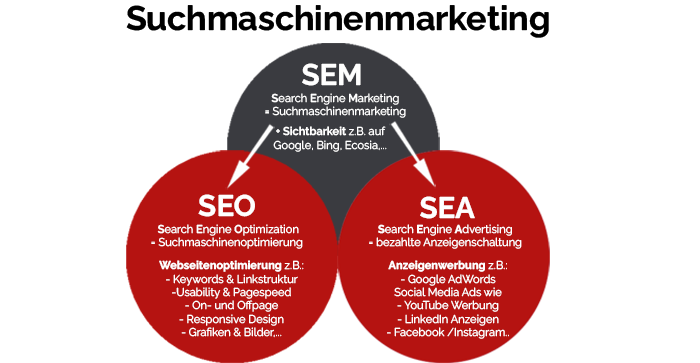
Running successful digital campaigns requires more than just knowing the platforms; it demands a deep understanding of strategy, constant optimization, and a data-driven mindset. My years in the trenches of paid search have taught me that effective Suchmaschinenmarketing SEM isn’t about setting it and forgetting it. It’s an ongoing commitment to refinement and adaptation. From small local businesses to large enterprises competing in the US market, the principles remain the same: understand your audience, manage your bids, and meticulously track your results.
Overview
- Suchmaschinenmarketing SEM involves paying to appear prominently in search engine results.
- Campaign setup begins with clear goals, audience targeting, and robust keyword research.
- Ad copy and landing page quality are crucial for high Quality Scores and better ad placements.
- Strategic bidding, from manual to automated, helps manage costs and maximize return.
- Continuous A/B testing of ads, keywords, and landing pages drives performance improvements.
- Performance measurement through key metrics like CPA, ROAS, and conversion rate is essential.
- Negative keywords and audience exclusions are vital for minimizing wasted ad spend.
- Adapting to algorithm changes and market trends is a constant requirement for sustained success.
Setting Up Your First Suchmaschinenmarketing SEM Campaign
Establishing a new paid search campaign correctly lays the groundwork for future success. It’s not just about picking keywords; it’s about building a robust structure that aligns with business objectives. From my experience, the first step is always defining clear, measurable goals. Are you aiming for leads, online sales, or brand visibility? This dictates your entire strategy.
Next, conduct thorough keyword research. Don’t just target obvious terms. Look for long-tail keywords that indicate higher purchase intent. Equally important is identifying negative keywords to prevent irrelevant clicks. For instance, if you sell new cars, “used cars” should be a negative keyword. Structure your ad groups tightly around specific keyword themes. This ensures your ad copy is highly relevant to the search query, which improves Quality Score and reduces costs. Craft compelling ad copy with clear calls to action. Ensure your landing pages provide an excellent user experience, matching the ad’s message and quickly guiding users towards conversion. This initial setup, while time-consuming, prevents significant budget waste later on.
Optimizing Ad Performance in Suchmaschinenmarketing SEM
Once a campaign is live, the real work of optimization begins. Initial performance rarely represents the full potential. I’ve consistently found that continuous testing and iteration are key. Focus on improving your Quality Score, as it directly impacts your ad rank and cost-per-click. This involves refining ad copy, ensuring keyword relevance, and enhancing landing page experience.
A/B testing different ad headlines, descriptions, and calls to action provides valuable insights into what resonates with your audience. Don’t shy away from experimenting with various ad extensions like sitelinks, callouts, and structured snippets; they boost visibility and provide more information, often leading to higher click-through rates. Regularly review search term reports to identify new negative keywords or potential new target keywords. Adjust bids based on device performance, geographic locations, and time of day. This meticulous optimization process ensures your ad budget is spent as efficiently as possible, driving better results over time.
Advanced Bidding Strategies for Digital Advertising
Effective bidding is a cornerstone of paid search. It’s not just about how much you’re willing to pay, but how intelligently you allocate that budget. While manual bidding offers granular control, I’ve seen many advertisers achieve better results with automated strategies, especially at scale. Google Ads’ smart bidding options, such as Target CPA (Cost-Per-Acquisition), Target ROAS (Return-On-Ad-Spend), and Maximize Conversions, leverage machine learning to optimize for specific outcomes.
However, even with automated bidding, active management is crucial. Understand when to use which strategy. Target CPA works well when you have consistent conversion data and a clear cost objective. Target ROAS is ideal for e-commerce businesses focused on revenue. Supplement these with bid adjustments for specific audiences, demographics, or devices. For example, if mobile conversions are lower, you might reduce mobile bids. Analyzing competitive landscapes and market seasonality also informs your bidding tactics, allowing you to be more aggressive during peak periods or pull back during slower times.
Measuring ROI and Reporting for Suchmaschinenmarketing SEM Success
For any investment in Suchmaschinenmarketing SEM, proving its value is paramount. This requires robust tracking and insightful reporting. Without accurate conversion tracking, all optimization efforts are speculative. Ensure your conversion actions are clearly defined and correctly implemented, whether it’s a purchase, a form submission, or a phone call. These metrics form the basis of your Return on Investment (ROI) calculations.
Beyond raw conversions, focus on key performance indicators (KPIs) like Cost-Per-Acquisition (CPA), Return on Ad Spend (ROAS), Click-Through Rate (CTR), and Impression Share. CPA tells you the cost of acquiring a single customer or lead, while ROAS measures the revenue generated for every dollar spent. Regularly review these metrics in conjunction with your business’s overall financial performance. Create clear, concise reports that highlight key trends, successes, and areas for improvement. This data not only justifies your spending but also provides actionable intelligence for continuous campaign refinement. It’s about constant iteration based on what the numbers tell you.
About the Author
