
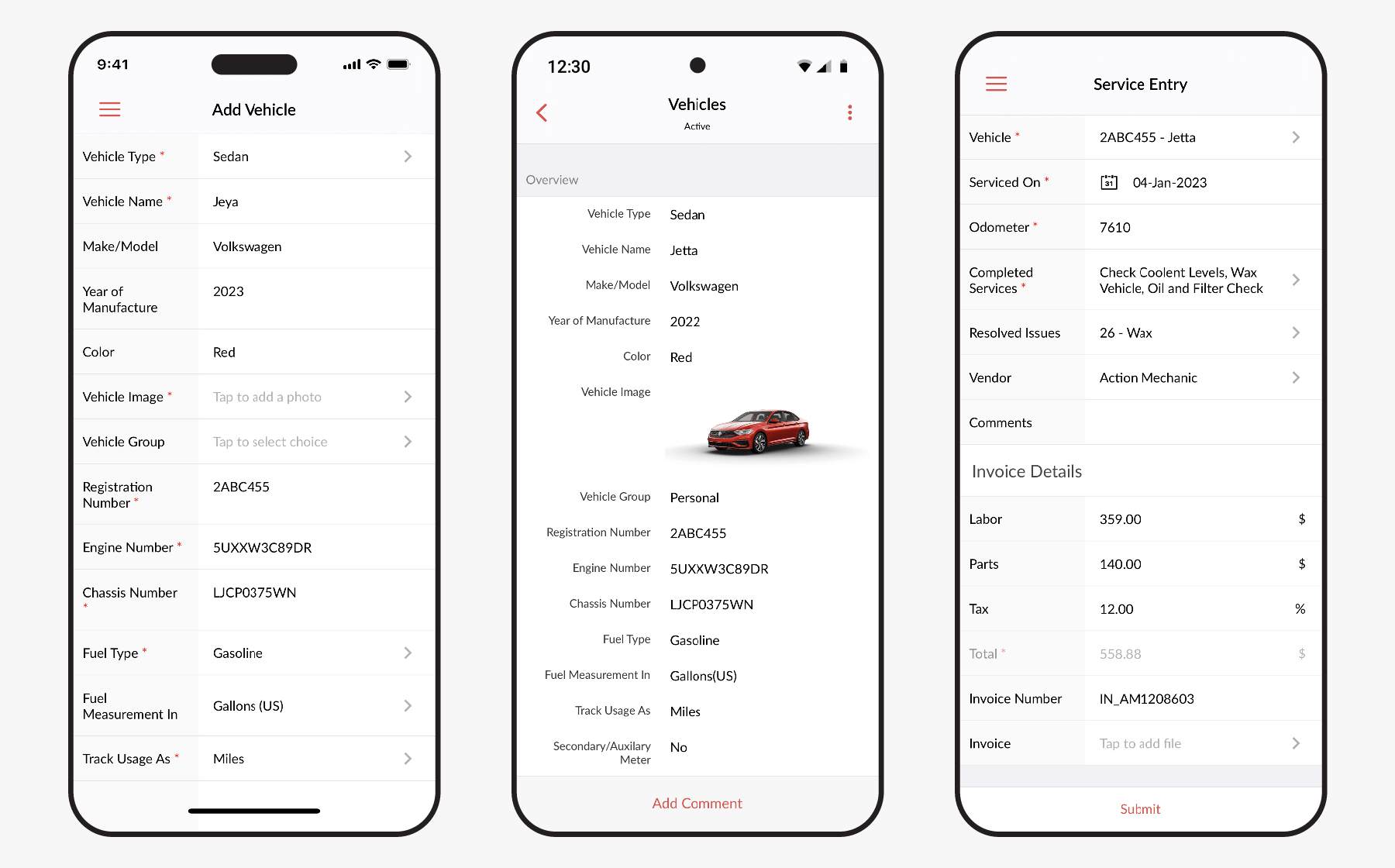
Optimize your fleet with expert insights. Learn how Flottenmanagement Software drives efficiency, cuts costs, and boosts productivity.
Organizations operating vehicle fleets face constant pressure to optimize performance, control costs, and maintain compliance. Modern technology offers powerful solutions. Implementing a robust fleet management system is no longer a luxury but a strategic necessity for competitive advantage. It helps businesses, from small local operations to large US enterprises, gain a significant edge.
Overview
- Flottenmanagement Software centralizes crucial fleet data for better decision-making and operational control.
- It significantly reduces operational costs through fuel efficiency, optimized routing, and predictive maintenance strategies.
- Real-time tracking capabilities improve safety and security across the entire fleet, benefiting drivers and assets.
- Automated reporting simplifies compliance with intricate regulations, saving time and avoiding penalties.
- Data analytics provide actionable insights into driver behavior, vehicle performance, and asset utilization trends.
- This software streamlines maintenance schedules, minimizing vehicle downtime and extending asset lifespan.
- It boosts overall fleet productivity and operational transparency, leading to more efficient resource allocation.
Flottenmanagement Software: Boosting Operational Savings
Modern Flottenmanagement Software plays a critical role in driving down expenses and increasing profitability for any fleet. One of its primary benefits lies in fuel management. By tracking fuel consumption across vehicles and drivers, identifying inefficient driving habits, and optimizing routes, businesses can achieve substantial savings. Telematics data, for instance, can pinpoint excessive idling, rapid acceleration, or harsh braking, all contributors to higher fuel burn. This allows managers to implement targeted training or policy changes.
Furthermore, this software offers powerful route optimization features. These algorithms consider traffic conditions, delivery windows, and road restrictions to create the most efficient paths. This not only saves on fuel but also reduces wear and tear on vehicles, extending their operational life. Comprehensive cost tracking capabilities within the system allow for detailed analysis of expenses, from maintenance and repairs to insurance and tolls. Fleet operators gain a clear view of their total cost of ownership (TCO) per vehicle, enabling informed decisions on asset replacement or reallocation.
Streamlining Maintenance and Compliance for Fleets
Efficient fleet operation depends heavily on proactive maintenance and strict adherence to regulatory requirements. Modern fleet management solutions excel in streamlining these critical areas. They facilitate comprehensive preventive maintenance scheduling, moving away from reactive repairs. The software tracks service intervals based on mileage, engine hours, or time, automatically generating alerts when maintenance is due. This ensures vehicles receive timely service, preventing costly breakdowns and extending the lifespan of assets.
Integrated vehicle health diagnostics provide real-time alerts about potential issues, allowing for early intervention. For example, engine fault codes can be transmitted directly to the maintenance team, enabling them to address problems before they escalate. Regarding compliance, especially important for US fleets adhering to DOT regulations, the software automates much of the reporting process. It maintains detailed records of driver hours, vehicle inspections, and maintenance history. This simplifies audits and ensures all necessary documentation is readily accessible, reducing the risk of penalties and operational disruptions. The system centralizes all compliance-related data, making it easier to manage regulatory mandates.
Leveraging Data Analytics in Flottenmanagement Software
The true power of modern Flottenmanagement Software often lies in its ability to collect, process, and analyze vast amounts of operational data. This data transforms raw information into actionable insights, guiding strategic decisions. Performance metrics are continuously tracked, including vehicle utilization rates, asset uptime, and maintenance costs per mile. Customizable dashboards provide fleet managers with a real-time overview of key performance indicators (KPIs), allowing them to quickly identify trends or areas needing attention.
Predictive analytics capabilities, often powered by machine learning, can forecast potential equipment failures or maintenance needs before they occur. By analyzing historical data and current vehicle diagnostics, the software can predict when a specific component might fail. This allows maintenance teams to schedule repairs proactively, minimizing unexpected downtime and optimizing resource allocation. Furthermore, benchmarking against industry standards or internal best practices becomes straightforward. Managers can compare their fleet’s performance across various metrics, identify inefficiencies, and implement data-driven strategies for continuous improvement. This intelligent use of data ensures that every decision contributes to greater efficiency and profitability.
Improving Driver Performance with Modern Flottenmanagement Software
Driver behavior significantly impacts operational costs, safety records, and public perception of a fleet. Modern Flottenmanagement Software provides powerful tools to monitor, analyze, and improve driver performance effectively. Telematics devices installed in vehicles collect data on various driving metrics, such as speed, harsh braking, rapid acceleration, and cornering. This data is then translated into individual driver safety scores. These scores offer an objective measure of performance, allowing managers to identify drivers who might benefit from additional training or coaching.
The software facilitates identifying specific training needs. For example, if a driver consistently shows high instances of harsh braking, targeted training on defensive driving techniques can be provided. This proactive approach not only reduces the risk of accidents but also contributes to fuel efficiency and reduced vehicle wear. Furthermore, some systems incorporate in-cab coaching or feedback, providing drivers with real-time alerts about unsafe behaviors. Effective communication tools integrated into the fleet solution allow for seamless interaction between drivers and dispatchers. This ensures timely updates on routes, conditions, and safety protocols, creating a safer and more productive driving environment across the fleet.
About the Author
