

The Rise of Skill Games in Nebraska
Nebraska’s gaming landscape is undergoing a transformation, with skill-based games rapidly gaining popularity. These games, often found in bars, restaurants, and truck stops, offer a blend of chance and skill, attracting a diverse clientele. Unlike traditional casino games heavily reliant on luck, skill games require players to demonstrate a degree of dexterity or strategic thinking to win. This subtle difference has proven key to their acceptance in a state where traditional gambling is more restricted.
How Skill Games Work: A Closer Look
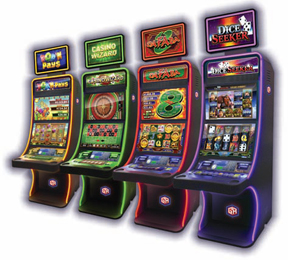
Skill games typically involve a digital interface, often a touchscreen, presenting challenges that test the player’s reaction time, precision, or problem-solving abilities. Points are awarded based on performance, and these points can be redeemed for prizes, ranging from small merchandise to significant cash payouts. The key element differentiating them from games of pure chance is the demonstrable element of skill needed to achieve a high score. This distinction is central to the legal argument surrounding their operation in Nebraska.
The Legal Landscape: Navigating a Gray Area
The legality of skill games in Nebraska remains somewhat ambiguous. While state law prohibits gambling, the emphasis on skill in these games has created a legal grey area. Operators argue that the games’ outcome depends significantly on player ability, thus distinguishing them from slot machines or other forms of pure chance gambling. However, the line between skill and chance can be blurry, and the legal interpretation is still evolving, leading to ongoing debate and occasional legal challenges.
Economic Impact: A Boon for Local Businesses
The proliferation of skill games has had a noticeable economic impact on many Nebraska businesses. Bars and restaurants, in particular, report increased revenue and customer traffic since installing these machines. The games provide an additional source of income, helping businesses offset rising costs and improve profitability. This economic boost is particularly noticeable in smaller towns and rural areas, where such entertainment options might otherwise be limited.
Player Perspectives: The Appeal of Skill Games
The appeal of skill games lies in their combination of entertainment and the potential for reward. Players enjoy the challenge, the sense of accomplishment in improving their scores, and the thrill of potentially winning a substantial prize. Many players appreciate the social aspect, engaging in friendly competition with others while enjoying a drink or meal. The accessibility and relatively low cost of entry also make these games attractive to a wide range of individuals.
The Future of Skill Games in Nebraska: Uncertainties and Possibilities
The future of skill games in Nebraska remains uncertain. While their popularity continues to grow, the legal ambiguity persists, posing a risk to operators and players alike. Further clarification from the state legislature or the courts could reshape the industry, potentially leading to greater regulation or even outright prohibition. Conversely, the games’ economic benefits and widespread appeal could lead to a more permissive regulatory environment, allowing the industry to flourish and potentially contribute even more significantly to the state’s economy. The next few years will likely be crucial in determining the long-term trajectory of skill games in Nebraska.
Addressing Concerns: Responsible Gaming Practices
As skill games continue to gain traction, responsible gaming practices become increasingly important. Operators are increasingly implementing measures to promote responsible play, including setting limits on play time and spending, offering self-exclusion options, and providing resources for those who may be struggling with gambling addiction. This proactive approach not only protects players but also helps maintain the positive image of the industry and ensures its long-term sustainability within the community. Visit here for information about skill-based gaming equipment for bars in Nebraska.
About the Author
