

The Rise of Sustainable Sourcing
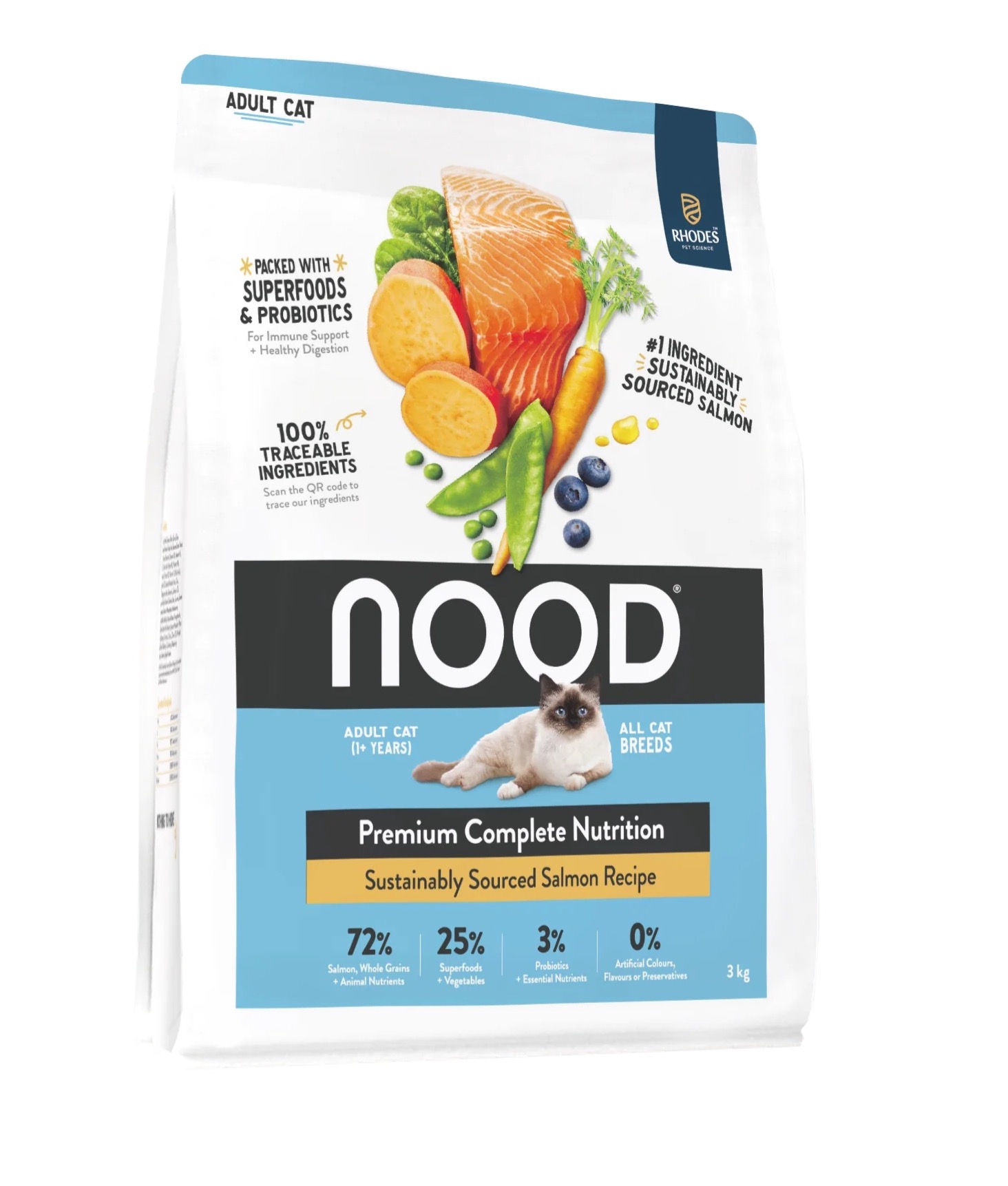
More and more pet owners are becoming aware of the environmental impact of their choices, and this extends to their furry friends’ food. The traditional pet food industry often relies on resource-intensive practices, from ingredient sourcing to packaging. This growing awareness is fueling a demand for pet food made with sustainably sourced ingredients, minimizing its environmental footprint. Companies are now focusing on ethical sourcing of meat and fish, reducing reliance on factory farming and promoting responsible fishing practices. This includes partnering with farms committed to regenerative agriculture, which helps improve soil health and biodiversity.
Insect-Based Pet Food: A Novel Approach
One of the most innovative developments in eco-friendly pet food is the incorporation of insects. Insects are a highly sustainable protein source, requiring significantly less land, water, and feed than traditional livestock. They also produce fewer greenhouse gas emissions. While the idea might seem unusual, insect-based pet food is gaining popularity as pet owners learn about its environmental benefits and the nutritional value for their pets. Many insects are rich in protein, essential amino acids, and healthy fats, making them a viable alternative to meat-based options. The texture and palatability are also constantly improving as manufacturers refine their processes.
Plant-Based Options for Pets
The increasing popularity of vegetarian and vegan diets among humans has naturally led to a growing demand for plant-based pet food. These options often utilize ingredients like peas, lentils, beans, and various vegetables. While formulating a complete and balanced plant-based diet for pets requires careful consideration of nutritional requirements, many companies are successfully creating recipes that meet the specific needs of dogs and cats. This approach significantly reduces the environmental impact associated with meat production, lessening the demand for land, water, and energy.
Minimizing Packaging Waste
Beyond the ingredients themselves, the packaging of pet food contributes significantly to environmental waste. The pet food industry is responding to this by exploring more sustainable packaging options. This includes using recycled materials, biodegradable packaging, and reducing the overall amount of packaging used. Companies are also innovating with refillable containers and bulk purchasing options to minimize waste. This shift towards eco-conscious packaging is a crucial step in reducing the industry’s overall environmental impact.
Focus on Local and Regional Sourcing
Reducing the transportation distance of ingredients is another key element of eco-friendly pet food. Sourcing ingredients locally or regionally significantly decreases the carbon footprint associated with transportation. This also supports local farmers and businesses, strengthening local economies. Companies are increasingly prioritizing partnerships with farms and suppliers within their region, reducing reliance on long-distance transportation and minimizing emissions.
Transparency and Traceability in the Supply Chain
Consumers are demanding greater transparency regarding the origin and production of their pet’s food. Eco-friendly pet food brands often prioritize transparency in their supply chains. This involves providing detailed information about ingredient sourcing, production methods, and environmental impact. Traceability allows pet owners to make informed decisions, ensuring their choices align with their values. This transparency builds trust and fosters a more responsible and sustainable pet food industry.
The Future of Eco-Friendly Pet Food
The future of pet food looks increasingly green. As consumer awareness grows and technology advances, we can expect even more innovative and sustainable options to emerge. Further research into alternative protein sources, more efficient farming practices, and advanced packaging technologies will likely shape the industry in the coming years. The focus on sustainability is not just a trend; it’s a reflection of a growing commitment to responsible pet ownership and environmental stewardship.
Addressing Nutritional Needs Ethically
Creating truly eco-friendly pet food requires a careful balance between sustainability and nutritional needs. Formulating recipes that meet the specific dietary requirements of different pets, while using environmentally conscious ingredients, is a complex task. However, ongoing research and development are addressing this challenge, resulting in a wider array of high-quality, sustainable pet food options. This ensures that pets receive the nutrition they need without compromising environmental responsibility. Click here to learn about sustainable pet food ingredients.
About the Author
